Australian Research Council (ARC) Industrial Transformation Training Centre (ITTC) for Innovative Composites for the Future of Sustainable Mining Equipment
The ARC Training Centre for Innovative Composites for the Future of Sustainable Mining Equipment (Innovative Composites for Sustainable Mining) is a 5 year and $15million ARC major investment (2023 to2028). Headquartered at the University of Wollongong (UOW), we are a national research entity comprised of seven Australian universities and ten local and international industry organisations. We aim to train industry-focused researchers in advanced manufacturing of innovative composites, the future of new-generation mining equipment and sustainable mining technology, through close collaborations among key universities and mining and manufacturing companies.
Led by UOW’s Distinguished Professor Zhengyi Jiang, Centre Chief Investigators, Early- Mid Career Researchers (EMCRs), and PhD candidates will enhance the competitiveness of the Australian mining and manufacturing industries. We are specialised in training industry-focused researchers in advanced manufacturing of innovative composites, new-generation mining equipment and sustainable mining technology sectors, through close co-operations across university partners and mining and manufacturing industry partners. By working closely with manufacturing and mining industry and community, the Centre delivers valued-added technologies and products into the Australian METS sector, and generate new technologies to support sustainable and cost effective mining equipment and high efficiency mining. These outcomes will significantly benefit the nation’s manufacturing and mining sectors and enhance the competitiveness of the Australian advanced manufacturing and mining industries. Our expertise areas are: innovation in material design, fabrication and evaluation of performances; advanced simulation and manufacturing innovation; artificial intelligence-based and data driven solutions for mining equipment utilisation; and safety, maintainability and reliability of mining equipment.
Under the Directorship of Distinguished Professor Jiang, there are four programs, supported by program leaders and their teams, within the Centre. Each program has own technical and interconnected tasks and outcomes. These include:
1. Developing new-generation innovative composites for mining equipment that can be applied in practical harsh working environments in deep mining. This will significantly reduce the environmental issues and improve workers’ health due to less chance of failure and repair and/or replacement of the mining equipment/components due to the use of novel high wear and corrosion-resistant steel composites.
2. Developing advanced manufacturing technology of innovative mining equipment and smart mining technology through close collaborations among universities and mining and manufacturing companies. The outcome will significantly advance the Australian mining industry with enhanced safety, reliability and efficiency of mining operations, with the potential to substantially increase mining production with reduced costs and enhance outputs with high profits.
3. Training of industry-focused researchers in advanced manufacturing and mining technology. Through involvement in the training programs, the researchers have been and will continue to be trained to solve important and complex problems in the development of novel steel composites, manufacturing of innovative mining equipment, and sustainable mining processing in varied conditions thus enhancing their research ability and their preparation for current and future problem-solving in Australian manufacturing and mining industry.
4. Improving Australia's international standing for developing the innovative mining equipment materials and manufacturing processes, and facilitating the mining automation and safety in mining processing technology by strengthening engagement of research and manufacturing and mining industries. This will further increase Australia's R&D capability in advanced manufacturing and sustainable mining technology, and enhance the international competitiveness of the Australian mining industry.
Some notable achievements the Centre made since its inception include:
Advanced material processing and performance optimisation.
The UOW team led by Distinguished Professor Zhengyi Jiang conducted multiple projects on welding, coating, and manufacturing of high-performance steels and aluminium alloys. Notably, studies on thin-gauge rolled clad steel sheets and bimetal wear-resistant steel plates demonstrated improved service performance under extreme environmental and industrial conditions. Formability studies on super ferritic and austenitic stainless steel bipolar plates for hydrogen fuel cells achieved precise micro-channel features with controlled thickness distribution, confirming the scalability of the developed single-stage micro stamping process. The efforts of the team have advanced both fundamental and applied research in high-performance steels, aluminium matrix composites, bimetal composite steels, and high-precision steel products, targeting applications in sustainable mining, marine, and energy systems.
Process modelling and manufacturing innovation.
A project team led by Distinguished Professor Zhengyi Jiang at UOW, used a combination of experimental characterisation and computational modelling to have developed process models for aluminium-zinc-silicon coatings and cold-rolled single-stand steel plates, enabling predictive control of product quality and surface integrity. Investigations of lubrication and corrosion mechanisms in hot-rolled plate steels provided novel insights for optimised manufacturing conditions, directly contributing to enhanced mechanical and tribological performance and strengthened product service durability.
Another example is Centre program two lead, UQ A/Professor Mingyuan Lu’s team has achieved significant progress in advancing laser surface engineering (LSE) technologies for steel-based bimetallic hybrid systems. A laser deposition process was successfully developed for fabricating yttria-stabilised zirconia (YSZ) coatings on stainless steel. Optimised processing parameters enabled stable coating formation with strong metallurgical bonding and minimal macroscopic defects. Functional evaluation confirmed substantial performance improvements, including a 71% reduction in wear depth, a 4.8-fold decrease in wear rate, and an approximately 6-fold reduction in corrosion current density compared with uncoated 316L. In parallel, titanium oxynitride metal matrix composite (MMC) coatings were developed for Ti alloys, demonstrating significantly improved mechanical properties and wear resistance. Practically, the two LSE technologies will be applied to deposit protective coatings on Centre's Industry Partner, Baosteel’s stainless-steel/steel and Ti/steel bimetallic plates. The LSE process also shows strong potential for localised surface repair, supporting service life extension of bimetallic plate products under demanding conditions, achieving large economic benefit by reducing maintenance cost for steel industry. Academically, Mingyuan led the team including two female ECRs published the results in Ceramics International, a reputable and Q1 journal (CL Lin, H Wang, W Lin, Q Tan, S Jiao, H Huang, M Lu?, Direct Laser Deposition of Yttria-Stabilised Zirconia (YSZ) Coating on 316L Stainless Steel).
Scientific output and knowledge dissemination.
Centre Chief Investigators published extensively in high-impact journals since the establishment of the Centre in 2023. For example, Centre program one, led by Professor Jeong Yoon at Deakin University, and his team achieved a scientific breakthrough, namely, a graph-based deep learning framework, which leverages Graph Attention Networks to predict nodal coordinates and state variables including stress components, and equivalent plastic strain across any part. The research outcomes were published in a high impact factor journal, Journal of Materials Processing Technology (H Wang, H Lim, JW Yoon, Stress-aware graph neural network for springback prediction considering material variations, Journal of Materials Processing Technology, 119189, 2026). Professor Yoon also led his team in publishing two Q1 journal papers and 8 high quality conference papers (between March 2025 to Feb 2026). In particular, the Centre node at Deakin hosted the International Conference on Plasticity, Damage and Fracture, held from 3 – 8 January 2026 (ICPDF2026), a premium international conference with a 41year history. Since its foundation in 1984, this Conference has brought together academic experts and industrial engineers to focus on metal forming issues and innovations. Currently, it has grown into the largest academic society in the field of plasticity technology. Professor Yoon chaired this year’s Conference and attracted over 200 scientists and researchers in the field of plasticity consistence to the Conference. Affiliated with the International Journal Plasticity (IF:15.4, the 3rd highest ranked in mechanical engineering), this premium Conference on plasticity is supported by 28 Board members from the International Journal of Plasticity. Professor Yoon delivered a keynote lecture which was very well received by over 200 attendees.* Select Centre outputs in the 2026 reporting year will be collated and reported to the ARC in March 2027
The team led by Professor Jiang at UOW, published extensively in high-impact journals, including Acta Materialia, Tribology International, Corrosion Science, and Materials & Design, contributing over 30 peer-reviewed articles in the past 18 months. Their research was widely disseminated through collaborative visits, industry engagement, including stakeholder presentations, and public seminars and conference events, reinforcing the Centre’s reputation in sustainable materials and advanced manufacturing research.
The team led by Professor Ren at the University of Wollongong has published more than 20 high-quality journal papers, including publications in Powder Technology, Journal of Loss Prevention in the Process Industries, and International Journal of Mining Science and Technology. Their research has made significant contributions to gas management and dust control practices in Australian underground coal mines, delivering measurable improvements in mine safety, operational efficiency, and productivity.
The Centre hosted the 9th International Symposium on Mine Safety Science and Engineering (ISMSSE) and Green Mining Conference 2026 in Wollongong, Australia, from 28 September to 2 October 2026. The conference provided a vibrant international forum for engineers, researchers, industry professionals, and PhD students to present their latest research findings, exchange knowledge, and foster collaboration in the areas of mine safety, green mining, and innovations for sustainable mining equipment and technologies. Details of the conference refer to https://conference.uow.edu.au/green-mining-conference/.
Creating industry impact by working solving mining industry problems
Centre Program Three is led by UOW Professor Ting Ren. Showcasing the program theme "Artificial intelligence-based and data-driven solutions for mining equipment utilisation". They have been actively engaging with industry partners to undertake both fundamental and applied research that addresses key operational challenges facing the mining industry. In October 2025, the team completed a study on the modelling of goaf gas flammability and ventilation dynamics. The study was commissioned by a major international mining company operating underground coal mines where gas ignition and spontaneous combustion pose significant risks to mine safety and operational continuity.
The project involved advanced computational fluid dynamics (CFD) modelling and comprehensive analysis of field data to investigate flammable gas distribution and oxygen ingress within the fractured and unconsolidated goaf. The research evaluated the effectiveness of a range of goaf inertisation and gas management strategies for mitigating these risks, providing valuable insights into the control of the goaf atmosphere during longwall operations and supporting the safe recommencement of longwall production. The study delivered quantitative, site-specific guidance that is critical for improving goaf gas management and reducing the risks of gas ignition and spontaneous combustion. Throughout the project, the team worked closely with the company's project engineers to ensure that the modelling approach, project deliverables, and recommendations addressed the mine's operational requirements. The modelling outcomes have informed field trials aimed at optimising inertisation practices and supporting the safe recovery and continued operation of longwall panels. Building on these outcomes, the team is continuing the collaboration through a new phase of research focused on implementing the proposed inertisation strategies and evaluating their long-term effectiveness and operational impacts during longwall mining. The project involved the participation and contribution of research fellow Dr Ming Qiao and other PhD students from our Centre.
The team, led by Professor Ren and Dr Jon Roberts, recently completed an industry supported project for a mining equipment company supplying longwall equipment to an Australian underground coal mine. The project investigated a range of dust suppression systems for longwall operations, including ventilation and water spray technologies, using advanced computational modelling and laboratory testing. The outcomes provided valuable scientific data and engineering insights to optimise dust mitigation strategies for the effective capture of respirable mine dusts. Building on the success of this project, the company has engaged the team to undertake a further study on mitigating frictional ignition hazards associated with longwall shearer cutting drums. The work will continue with the active involvement of research fellows and PhD students, providing an excellent opportunity to strengthen their research capabilities and develop the industry engagement skills that are essential for their professional and career development.
Research training and capacity building
The Centre supports over 20 HDR candidates across its nodes, including PhD and Masters by Research students, as well as 8 postdoctoral researchers, all actively contributing to their respective major projects. Students and postdocs received hands-on training in composites manufacturing, surface engineering, process design, and performance evaluation and optimisation, boosting the Centre’s capability for industry-oriented research and development. There are many outstanding achievements made by Centre CIs, program leads and their research students. Examples included:
a) Two CIs at UQ, Professors Knights and Kizil mentored a female HDR student, Bahar, who won a $15k Sandvik travel scholarship to present at the IEEE Congress on the Internet of Things in Osaka, Japan. During the same trip, she visited Komatsu’s Shonan factory in Kanagawa prefecture, accompanies by Mr Takashi Ishihara, Supreme Engineer in the Office of the CTO for Komatsu, Japan. Komatsu is also a cash partner of the Centre.
b) Supervised by Adelaide University's Professor Karakus, PhD candidate Volkan has completed the major PhD review within a year. Through the ARC funded "Advanced Simulation of Dynamic Rock Cutting Process for Next-Generation Excavation Tools", they have conducted a comprehensive benchmarking of existing excavation techniques, leading to the selection of the undercutting method due to its understudied nature and potential to significantly reduce required cutting forces. Two major milestones in developing a theoretical and computational foundation for next-generation rock excavation tools were achieved. First, a novel semi-empirical analytical model for the undercutting technique was developed, subsequently published and presented at the ROCKMEC’2025 conference. Second, an advanced 3D numerical parametric study was conducted to optimise the performance and geometric configurations of asymmetric undercutting disc cutters; the full text of this study has been submitted to the Australian Conference on Rock Mechanics (ACRM). (Program four: Safety, maintainability and reliability of mining equipment).
c) At UNSW, Prof Jianqiang Zhang and Associate Professor Guangyao Si secured two ICHDR students in 2025. Professor Zhang and his ICHDR student commenced ARC funded project "Study on material selection and corrosion behaviour of pipeline steels in supercritical CO2–based hot dry rock geothermal systems" the main objectives of the project is to 1) Evaluating the corrosion resistance of different carbon steels and alloy steels, 2) Characterizing the morphology and structure of oxide layers in corrosion products, 3) Investigating the influence of chromium content in alloys on corrosion behaviour, and 4) Examining the accelerating effects of water in the gaseous environment on corrosion rates. This project has achieved its 2025 milestones.
d) Associate Professor Si and his ICHDR student Yi Luo developed a novel Dual-Network Geopolymer Foam (DNGF) using fly ash for the prevention of coal spontaneous combustion. Their lab result has indicated that DNGF combines high fire-inhibition efficiency with environmental sustainability and shows strong potential for coal spontaneous combustion prevention. The research progress was presented at the International Conference on Advanced Manufacturing and Materials for Sustainable Mining Equipment and Technologies (AMMET 2025), where the team was awarded the HDR Presentation Award.
e) Two Centre students (UOW) have successfully completed their PhD programs. One has commenced working as an academic at Monash University, and the other secured an industry post.
In addition to be focusing on creating industry and academic impact, Professor Jiang also led the Centre generate intelligent lay audiences through invited profiles in international STEM-careers media. Most Professor Jiang’s efforts in creating new scientific knowledge, leading research teams to generate industry impact, mentoring the next-generation researchers, and commitment to leading research outcome-infused educational programs have been captured in many pieces of news, media and articles. For example, an influential magazine, a UK based publication Futurum Careers, which aims to introduce 14 – 19 years olds to a world of opportunities in STEM, sought and interviewed Professor Jiang in March 2025 and featured his career path in one of their front line articles - “Making metals: how are engineers developing new composite materials and manufacturing processes?” In this article Professor Jiang explained to an intelligent lay audience base how he created new materials, developed new metals and revolutionised manufacturing process. This article attracted 300,000 social media impressions and more than 2,500 You Tube views. The Centre will continue to integrate innovative material design, process optimisation, and application-driven research, yielding tangible outcomes in both academic excellence and industrial impact.
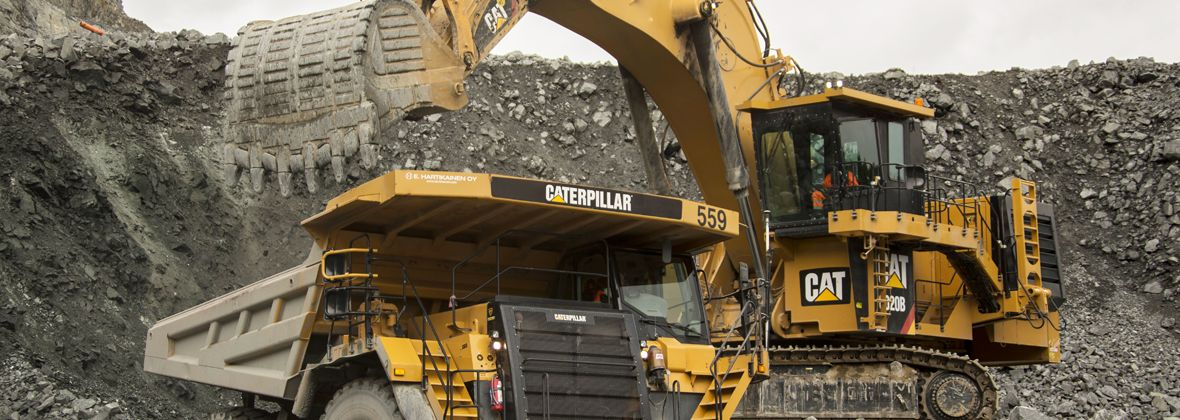
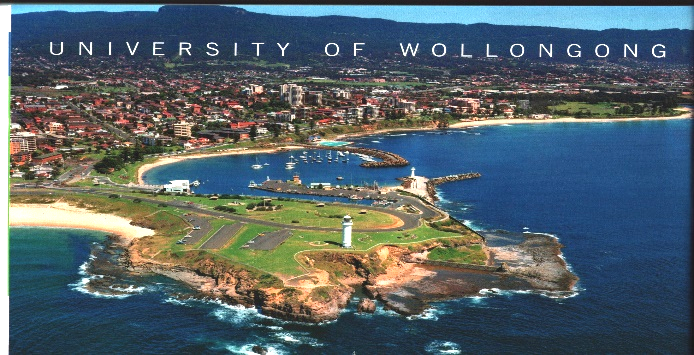
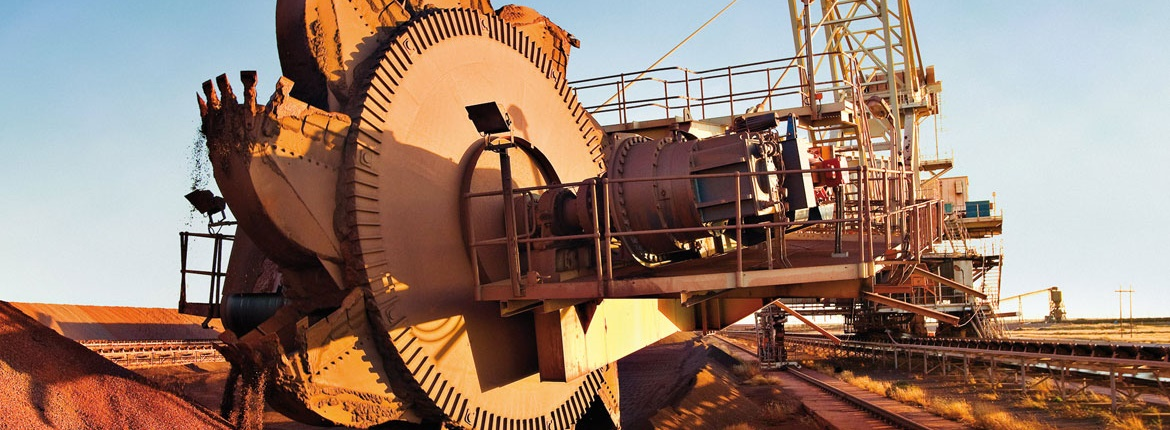
Centre logo and suggested images are included below: